What to Wear and How to Prepare for
Professional Headshots
Tips from Caroline Murray Photography
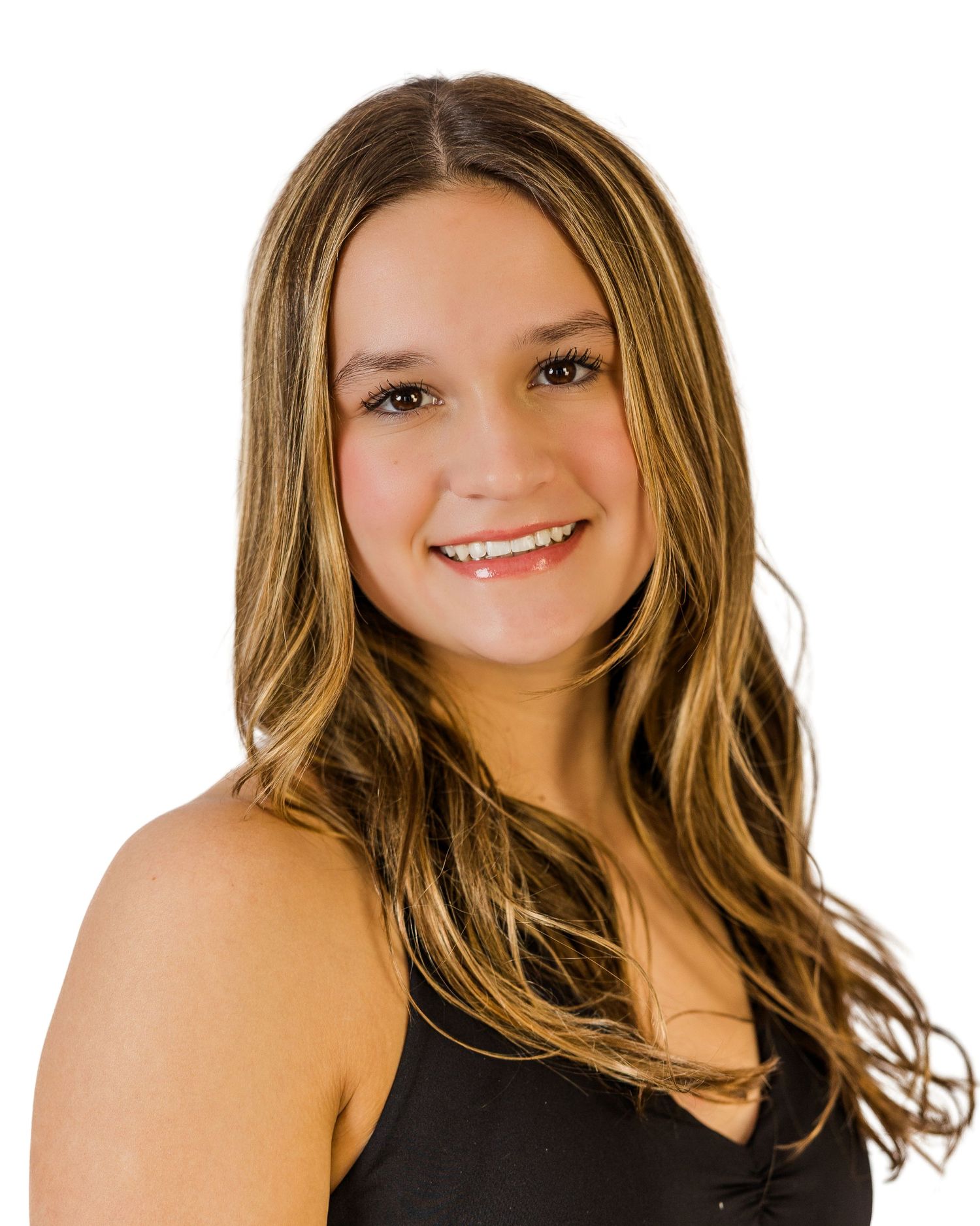
At Caroline Murray Photography, I know that the right wardrobe and preparation can make all the difference in how
confident and authentic you feel in front of the camera. My goal is to help you look like the best version of yourself—
polished, approachable, and professional.
Whether your headshots are for LinkedIn, your company website, or a personal branding update, these tips will guide
you through what to wear, how to prepare, and how to bring your most natural self to your session.
1. Dress Professionally, but Authentically
Choose an outfit that feels like you, but at your most professional. Think of what you’d wear to meet a client, attend an
important meeting, or interview for a new position.
If it fits your brand, incorporate subtle touches of your brand colors. Otherwise, select tones that complement your skin,
eyes, and hair for a natural, balanced look.
2. Choose Flattering Colors
Classic neutrals like navy, charcoal, gray, and beige always look timeless. Pair them with black or white for a clean,
professional finish.
Mid-tones and jewel tones photograph well—they add depth without overpowering your features.
3. Skip Distracting Shades and Patterns
Avoid bright pinks, oranges, turquoise, mint green, coral, and neon tones. These colors often dominate the image and
take focus away from your face or reflect unwanted hues.
Solid colors are your best option.
4. Choose a Flattering Neckline
Opt for modest V-necks, boat necks, or crew necks. These are universally flattering and elongate the neckline.
Avoid turtlenecks, tight collars, or bulky scarves that can make you look stiff or shorten your neck. Similarly, skip low-cut
tops or shirts that require constant adjusting.
5. Keep Accessories Simple
Accessories can add personality, but keep them understated. Small earrings, a delicate necklace, or a simple scarf can
add just the right touch. You can also bring an alternate pair of glasses, a light lip color change, or a statement piece for variety in your final gallery.
6. Choose Longer Sleeves
Long sleeves or three-quarter-length sleeves photograph best and look the most professional. Because I often pose
clients at a slight angle, your arms become naturally more forward in the frame—longer sleeves help create a balanced,
polished look. If you prefer sleeveless tops, bring a blazer or cardigan as an option.
7 . Skip Shoulder Pads
Avoid jackets or blazers with heavy shoulder pads. They tend to create a boxy shape and convey stiffness. Softer,
tailored fits look more natural and approachable on camera.
8. Arrive Polished and Camera-Ready
Press your clothing, check for lint, and make sure your outfit looks fresh. Hang your clothes before traveling to avoid
wrinkles.
Select undergarments carefully—avoid visible lines or straps—and skip logos unless they’re part of your brand identity.
Makeup and Grooming Tips for Professional Photos
Keep Makeup Natural and CleanY our makeup should look like an elevated version of your everyday look. The goal is to enhance your features, not hide them.
Skin Preparation
Wear sunscreen in the weeks leading up to your session—peeling or sunburned skin can’t be fixed easily in editing.
Stay hydrated before your session.
Avoid waxing, threading, or major skincare treatments right before your shoot; redness and irritation can linger.
Schedule haircuts one to two weeks before your session, giving yourself time to adjust to the style.
Foundation and Base
Avoid shiny or dewy formulas, especially those with SPF or minerals—they can create glare under studio lighting.
Choose a matte foundation that matches your face and neckline, and blend evenly.
For mature skin, use a lightweight, moisturizing foundation rather than heavy or powder-based products.
Use a translucent setting powder to reduce shine.
Apply concealer to even out blemishes or dark circles, blending well for a natural finish.
Lips
Choose lipstick one shade darker than your natural tone.
Avoid very dark or matte lipsticks—they can make lips appear thinner.
A light gloss adds a natural, healthy glow.
Eyes
Keep eyeshadow neutral—think soft browns, taupes, or creams.
Highlight under the brow bone with a matte ivory or beige shade.
Skip eyeliner on the lower lash line; it can make eyes appear smaller or more tired.
Avoid shimmery eye shadows and dramatic false lashes, which cast unwanted shadows.
Use black mascara (brown is often too light on camera).
Glasses
If you have glasses, you are welcome to wear them. If they are transition lenses, please plan to remove them.Clean lenses thoroughly before your session.
Jewelry
Keep jewelry minimal and tasteful. Avoid overly sparkly or reflective pieces that might catch light and distract from your
face.
Hair
Style your hair as you normally would—photo day isn’t the time to try something new.
Avoid buns or ponytails that distort your head shape or hide your hair.
Bring a brush, hairspray, and touch-up products.
Keep hair shiny and natural; avoid matte or heavy dry shampoos.
For facial hair, maintain your regular style. If shaving, use an electric razor to minimize redness.
Final Thoughts
Your headshot is an investment in your personal brand—and it should feel authentically you. With the right wardrobe,
grooming, and preparation, you’ll look polished, confident, and ready to make a lasting impression.